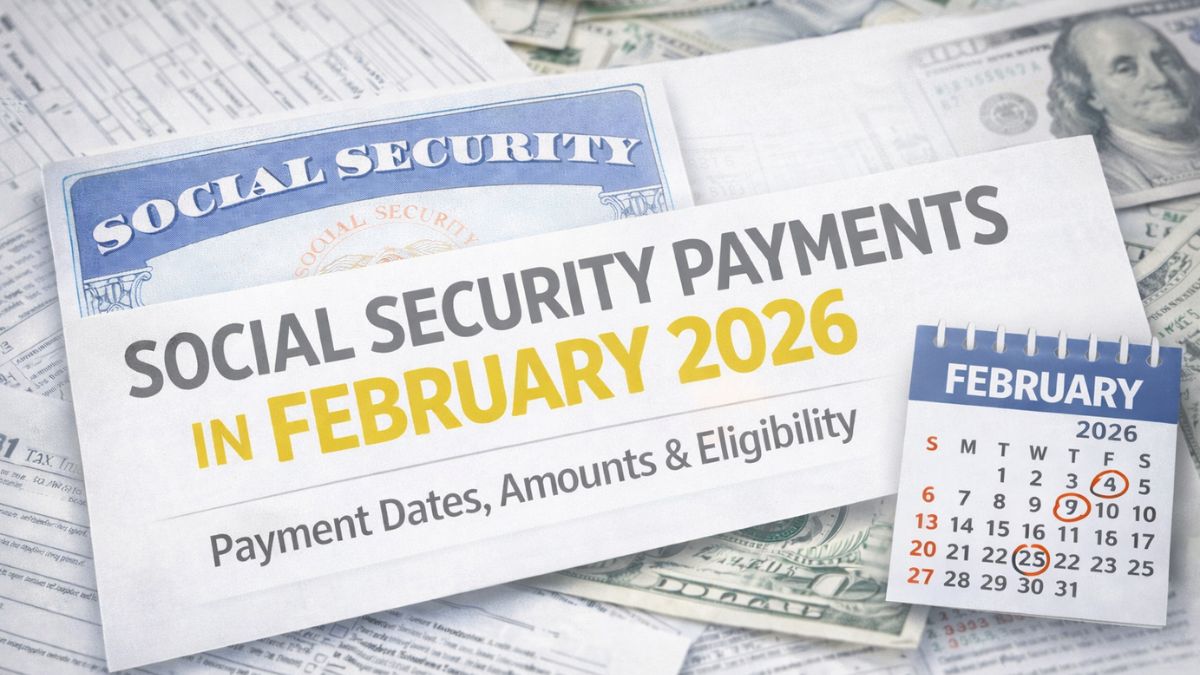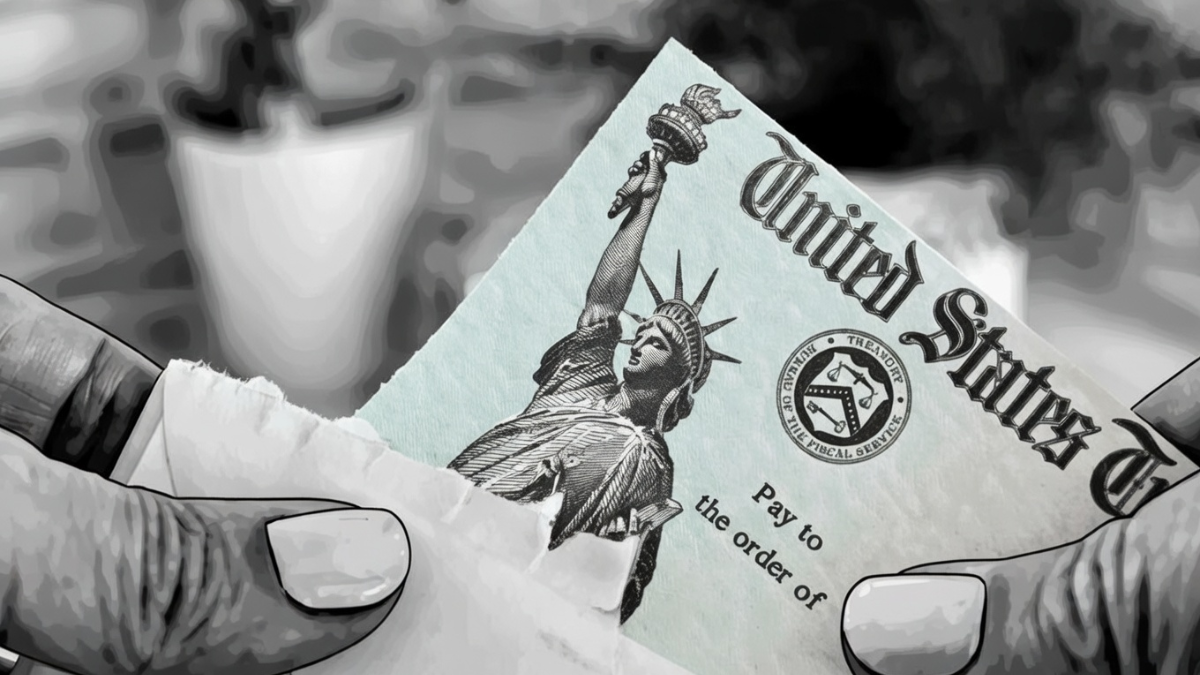
As January 2026 approaches, reports claiming that the IRS will send a $2,000 direct deposit to all Americans are spreading quickly online. These claims have created excitement, especially as many households continue to struggle with high living costs and the new tax season draws near. However, the reality behind these reports is very different from what headlines suggest.
No Universal $2,000 IRS Payment Confirmed
The Internal Revenue Service has not announced a universal $2,000 direct deposit for January 2026. There is no new stimulus program, relief check, or flat payment approved that guarantees money for every American. No law has been passed, and no official IRS notice confirms such a payment. Any claim suggesting that everyone will automatically receive $2,000 is misleading.
Why the $2,000 Number Keeps Appearing
The $2,000 amount is commonly mentioned because it closely matches the tax refund many people receive each year. After standard deductions, tax credits, and payroll withholding adjustments, refunds often fall near this figure. When early filers begin receiving refunds around that amount, screenshots and social media posts can make it look like a new government payment has started.
यह भी पढ़े:
 IRS Tax Refund 2026 Guide: Processing Timelines, Key Rules, and What Taxpayers Should Expect
This confusion is made worse by click-driven headlines that do not clearly explain the difference between a tax refund and a federal benefit or stimulus payment.
Who Might See a Refund Around $2,000
Receiving a deposit close to $2,000 in early 2026 depends entirely on individual tax situations. Taxpayers who overpaid federal taxes during 2025, qualify for refundable credits, or have simple and accurate returns are more likely to see refunds in this range. Filing electronically and choosing direct deposit can also speed up delivery.
However, this is not automatic and does not apply to everyone. Refunds are calculated individually, based on income, filing status, dependents, credits, deductions, and taxes already paid.
यह भी पढ़े:
 February 2026 $2,000 IRS Payment Update: Are You Eligible and When Could the Money Arrive
How the January 2026 Refund Timeline Works
January marks the start of the tax filing season, but the IRS does not accept returns on January 1. Filing usually opens in the final week of January. Once returns are accepted, most electronic filers who choose direct deposit receive refunds within about 10 to 21 days.
Returns that include certain credits or require extra verification may take longer. Paper checks can also add weeks to the timeline.
Avoiding Confusion and Delays
Direct deposit remains the fastest and safest way to receive a refund. The IRS never sends refunds through text messages, emails, or social media. Taxpayers should carefully review their returns, confirm bank details, and file early to reduce delays and lower the risk of identity theft.

Refund progress can be tracked using official IRS tools, which show when a return is received, approved, and sent.
The Bottom Line
The claim that the IRS has announced a $2,000 direct deposit for all Americans in January 2026 is false. While many people may receive refunds around that amount, these payments come from normal tax processing, not a new government program. Understanding how refunds work helps set realistic expectations and prevents unnecessary confusion.
Disclaimer
This article is for informational purposes only. IRS refund amounts and payment timelines depend on individual tax filings, credits, and official processing rules. Always rely on official IRS sources for accurate information.