As 2026 unfolds, many Americans are once again hearing talk about possible $2,000 stimulus payments. Rising housing costs, expensive groceries, medical bills, and household debt continue to strain budgets, even though inflation has slowed overall. Because of this pressure, any mention of direct cash support quickly attracts attention and hope. Still, it is important to separate discussion from confirmed action.
Why Stimulus Talks Have Returned
The renewed conversation around stimulus payments is driven by ongoing cost-of-living challenges. Many families are spending more on rent, utilities, insurance, and healthcare than they did just a few years ago. Policymakers often view direct payments as a fast way to support households and encourage spending when financial stress remains high. However, discussion alone does not mean a program has been approved.
Current Legal Status of a $2,000 Payment
As of now, there is no federal law approving a nationwide $2,000 stimulus check. Congress has not passed legislation, and no bill has been signed into law. Without congressional approval, federal agencies such as the Treasury Department or the IRS cannot issue large-scale payments. Claims that checks are already authorized or scheduled are not accurate.
यह भी पढ़े:
 $2,000 IRS Payment in February 2026? What You Need to Know About Eligibility and Deposit Dates
President Trump’s Recent Comments
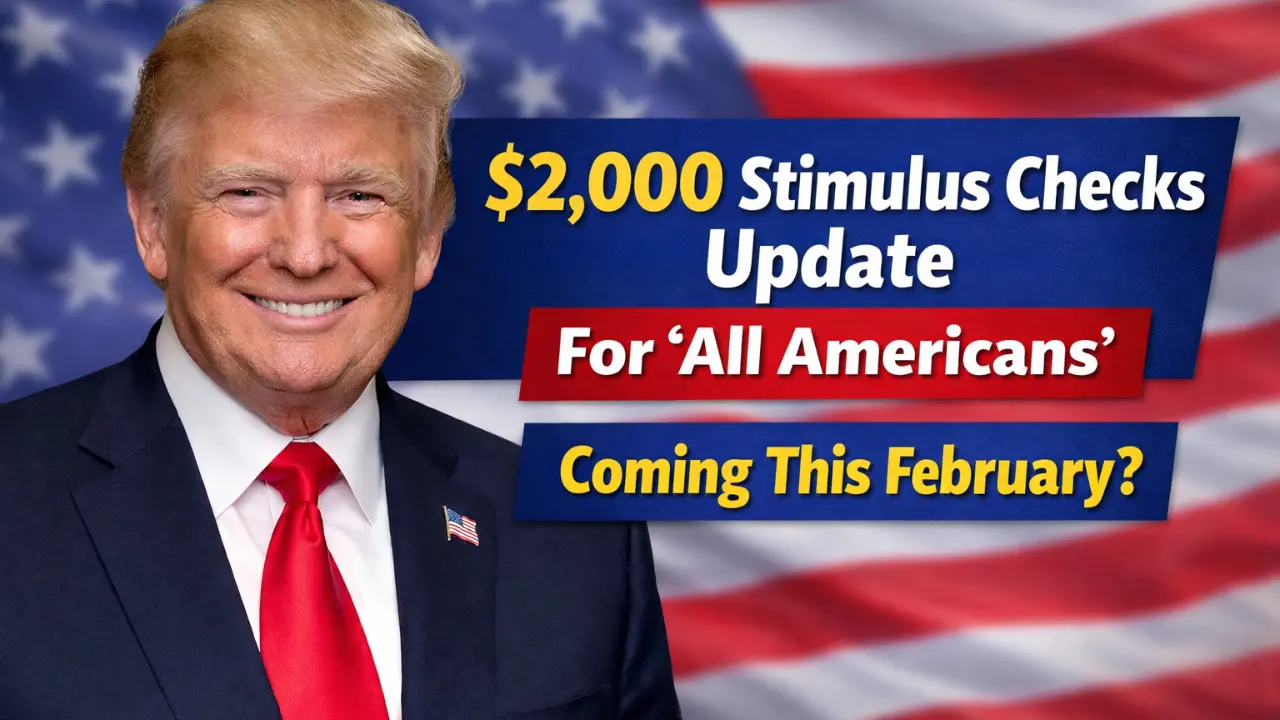
The proposal gained attention after President Donald Trump publicly stated that he is considering the idea of sending $2,000 payments. He emphasized that he has not made a final commitment. While Trump has suggested that tariff revenue could fund such payments, he has not provided clear details, eligibility rules, or a timeline. Later comments suggested that if anything moves forward, it would likely be aimed at low- and middle-income households and possibly later in 2026.
Why Universal Payments Are Unlikely
Economic experts widely agree that sending $2,000 to everyone would be extremely expensive. The total cost would reach hundreds of billions of dollars, raising concerns about budget deficits. Because of this, most analysts believe that any future relief would be targeted, not universal. Income limits, household size, and tax filing history would almost certainly be used to decide who qualifies.
Possible Eligibility If Approved
If a program were approved, eligibility would likely resemble past stimulus efforts. Lower- and middle-income individuals would probably be prioritized, while higher earners would be phased out. Payments would likely be issued automatically using IRS or federal benefit records, without an application process.
यह भी पढ़े:
 IRS Tax Refund 2026 Guide: Processing Timelines, Key Rules, and What Taxpayers Should Expect
Be Cautious of Misinformation
Rumors about stimulus payments often lead to scams. Government agencies do not contact people through unsolicited texts or social media messages asking for personal information. Any real stimulus program would be announced through official channels.
Final Outlook for 2026
At this point, $2,000 stimulus checks remain a proposal, not a guarantee. Without congressional approval, no payments can be issued. Americans should rely on verified government updates and avoid assuming that new stimulus money is on the way.
Disclaimer
This article is for informational purposes only and does not provide legal, financial, or tax advice. No $2,000 stimulus payment has been approved as of now. Laws, eligibility rules, and timelines may change. Readers should follow official government announcements for accurate information.